3 hr
Ravenna UNESCO Mosaics Walking Tour
Explore ancient Byzantine treasures with an expert guide through five stunning World Heritage monuments
Reserve
Hand-picked by our editors — only the best 5 experiences from 12 reviewed
Verified partners for every tour, free cancellation where available, and instant confirmation on every booking.
3 hr
Explore ancient Byzantine treasures with an expert guide through five stunning World Heritage monuments
Reserve
Discover ancient Byzantine masterpieces across multiple World Heritage Sites with one convenient pass
Reserve
2 hr 30 min
Explore breathtaking Byzantine mosaics across five UNESCO monuments with an expert guide in intimate groups
ReservePrices from verified partners. Availability updates in real time at checkout. Free cancellation policies apply where shown.
The landmarks, rooms, and views travelers on this tour remember — all visible on a single visit.
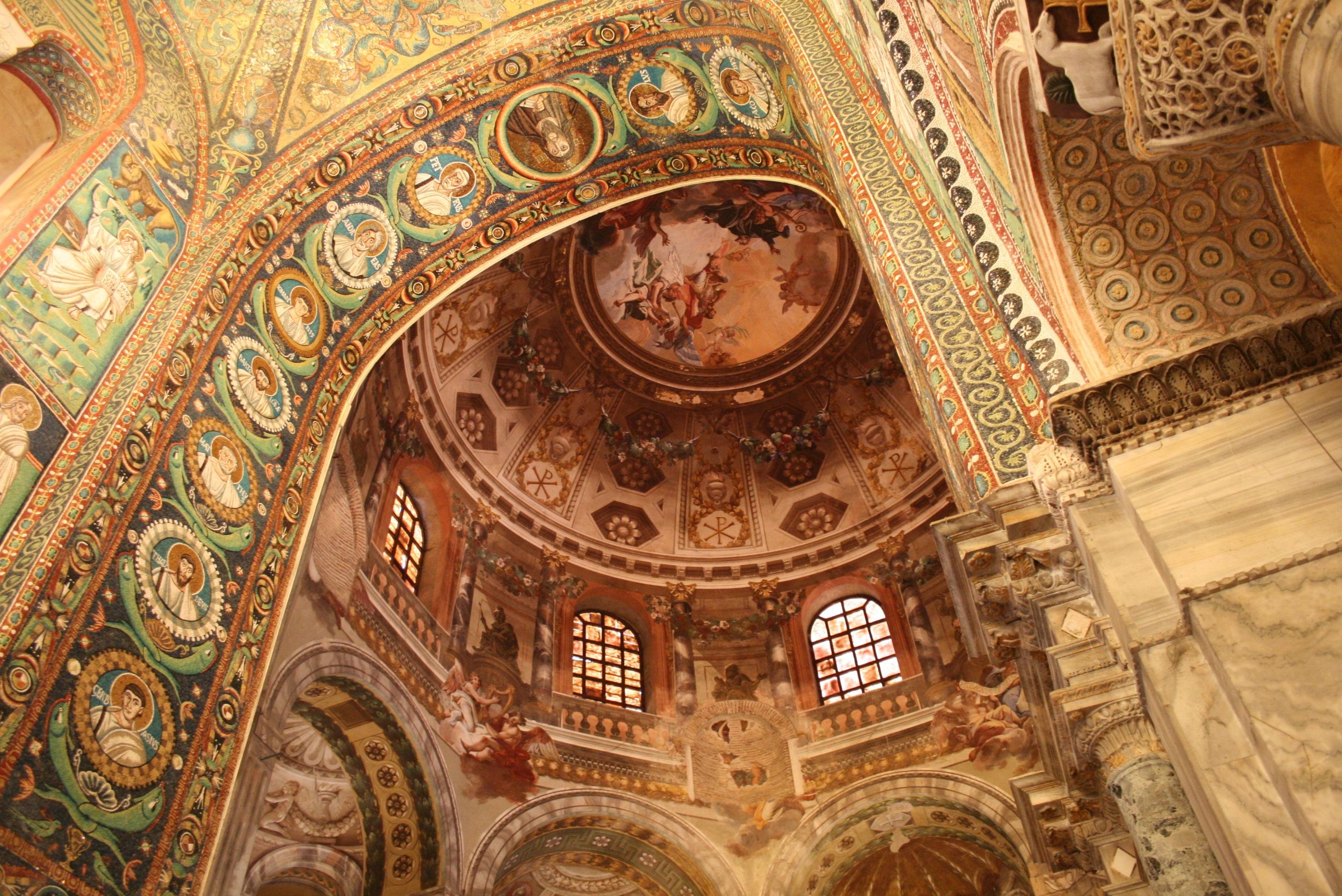
A masterpiece of Byzantine architecture, this basilica features glowing 6th-century gold mosaics depicting Emperor Justinian and Empress Theodora.
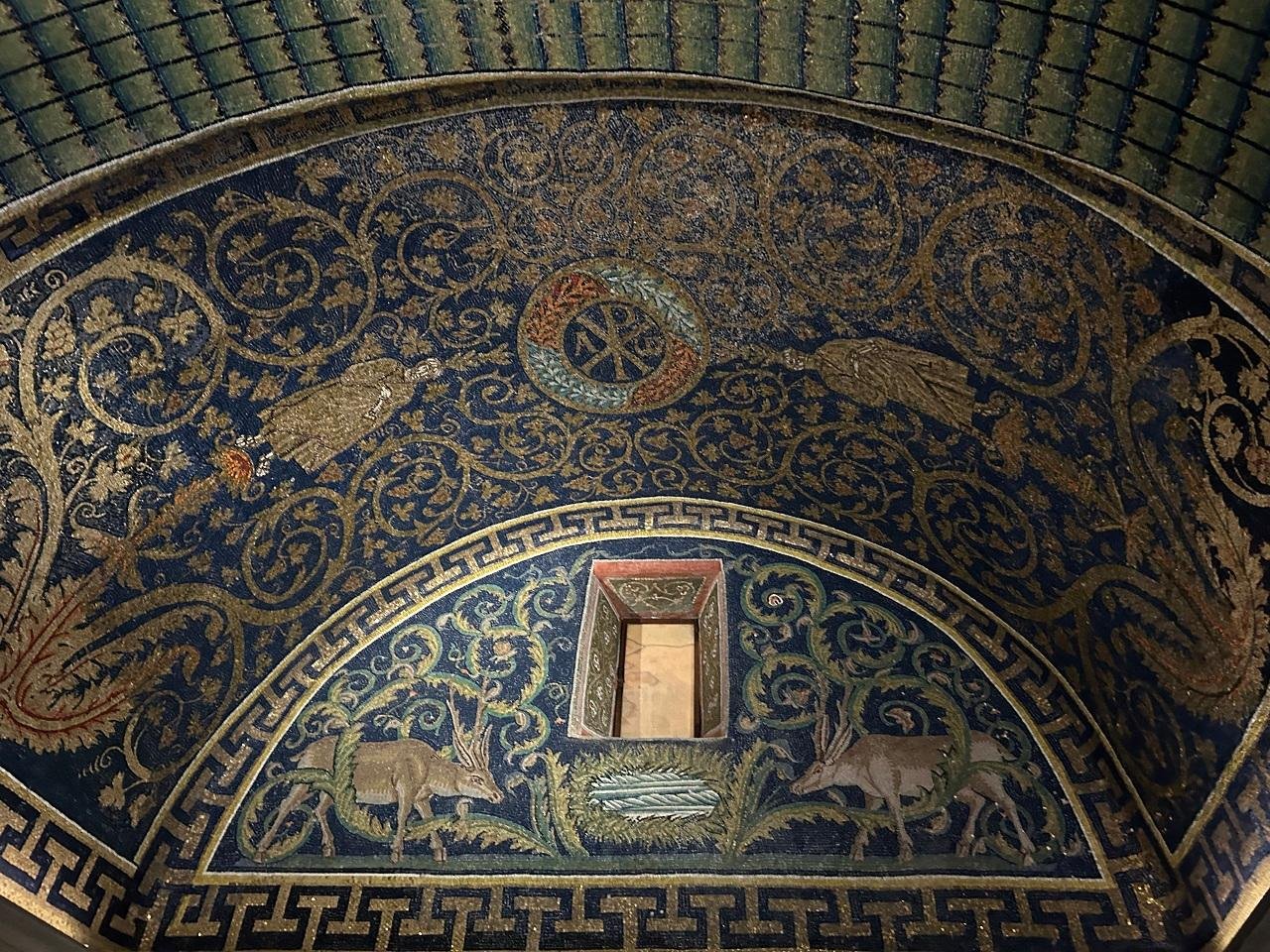
A small, unassuming brick building that houses some of the oldest and most beautiful star-filled sky mosaics in the world.
One of the oldest monuments in Ravenna, dating back to the 5th century, with a central dome mosaic depicting the Baptism of Christ.
Renowned for its massive, 6th-century wall mosaics that stretch the length of the nave, depicting processions of saints and martyrs.
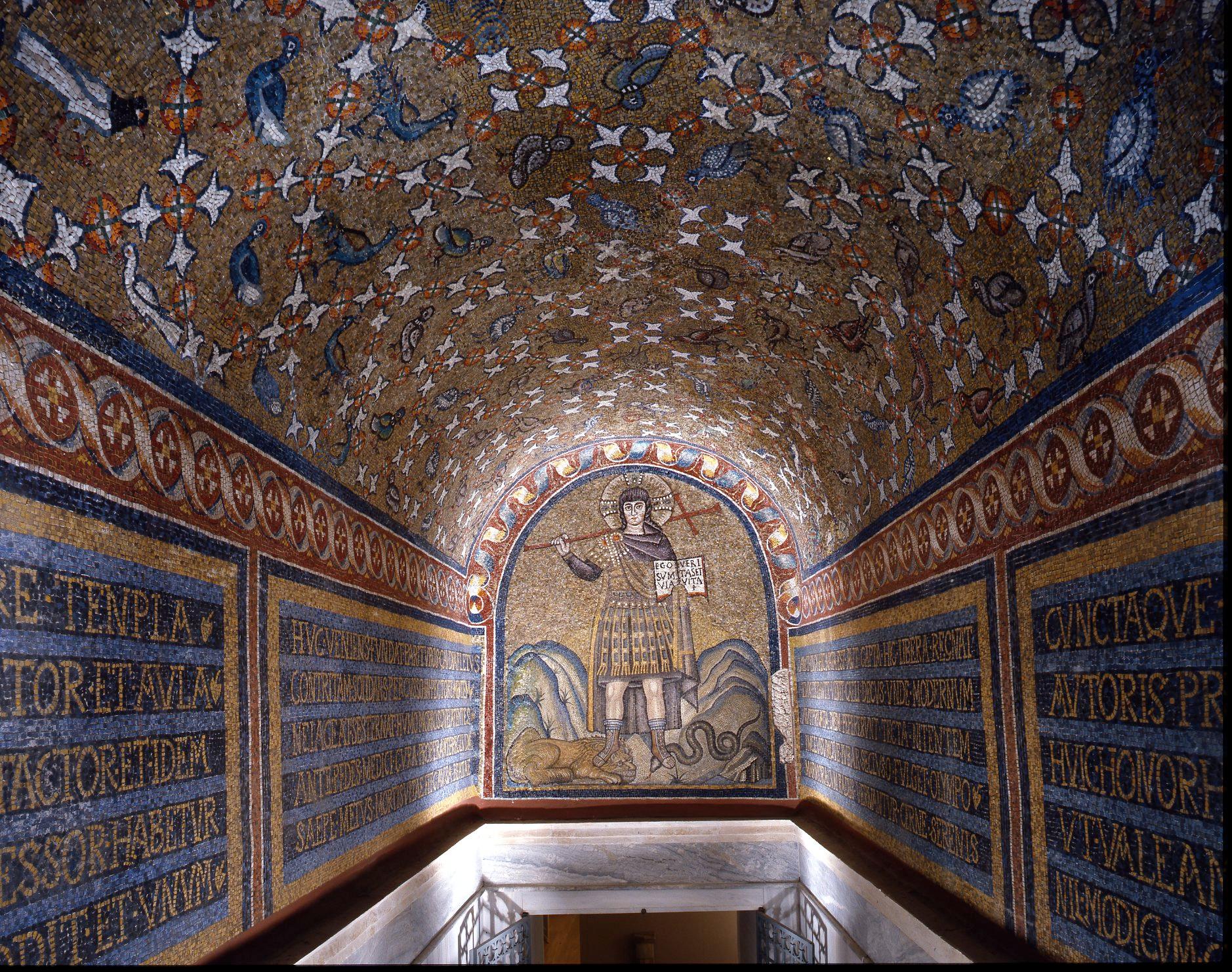
This museum holds the 5th-century Chapel of St. Andrew, a small but significant site with rare early Christian artistic details.
Professional tours offer deep academic context, whereas independent exploration provides personal freedom; most visitors find the guided experience more educational for deciphering Byzantine iconography.
| Feature | Top pick Guided Tour | Self-Guided Visit |
|---|---|---|
Content depth |
Expert historical narration | Basic signage interpretation |
Flexibility |
Fixed schedule | Full personal control |
Cost efficiency |
Higher per-person fee | 14 EUR combined ticket |
Navigation assistance |
Led by professional guide | Independent map navigation |
Social interaction |
Group engagement | Limited to own party |
Primary access |
Ravenna UNESCO mosaics expertise | Individual UNESCO heritage pace |
| See tickets → |
Verdict: Choose a ravenna unesco monuments and mosaics guided tour to master the complex theology of these landmarks, or opt for independent ravenna unesco monuments and mosaics guided tour tours if you prefer to admire the gold tesserae at your own speed using ravenna unesco monuments and mosaics guided tour tickets.
Choose your ticket, select your date, and reserve in under two minutes. Secure checkout handled by our verified partner.
Instant confirmation by email, with a mobile voucher you can save offline. No printing, no queuing at a collection desk.
Arrive at the entrance, show your voucher on your phone, and walk in. Most tickets include priority or skip-the-line access.
Practical details for your visit straight from our verified partners — hours, access, rules, and how to get there.
Piazza S. Francesco, 7, 48121 Ravenna RA, Italy
Arrive 10 minutes before tour departure
The monuments are concentrated in the historic center and are easily reached on foot from the train station in 10-15 minutes.
As these are active places of worship, visitors must wear clothing that covers the shoulders and knees. Ripped or transparent clothing is not permitted inside the monuments.
Large bags and backpacks may be restricted; check with local staff upon entry. Security checks may occur at monument entrances.
Photography is generally allowed in most locations, but flash photography and tripods are strictly prohibited. Photography is not permitted in the Archiepiscopal Museum.
The historic center is flat and largely accessible. Most UNESCO monuments provide accessible entrances or ramps, though some smaller sites may have limited space for larger mobility aids.
The sites are suitable for families, with children aged 0–10 often receiving free admission. It is recommended to bring snacks and water, as there is limited food service inside the monument complexes.
Eating and drinking are strictly prohibited inside all monuments. Numerous cafes and restaurants are located within a short walk in the historic city center.
Piazza S. Francesco, 7, 48121 Ravenna RA, Italy
Arrive 10 minutes before tour departure
Get directionsBest time to go, insider tips, nearby landmarks, and the cancellation fine print — flip through to skim what matters to you.
How crowds, weather, and events shift across the year.
Mild temperatures and blooming gardens make walking between sites pleasant in April and May.
Warm weather with longer daylight hours, though the city can be busy with cultural events.
Cooler temperatures in September and October are ideal for exploring the historic center.
Quieter crowds and a contemplative atmosphere, perfect for detailed mosaic study.
Small details that turn a good visit into a great one.
The 14 EUR combined ticket is valid for 7 days, allowing you to space out your visits to the 5 monuments.
Mandatory timed entry applies to the Mausoleum of Galla Placidia and Neonian Baptistery; book these slots well in advance.
Bring your own earphones with a standard jack to use with official audio guide equipment provided on site.
Plan to finish your visits at least 30 minutes before the 19:00 closing time.
Take a photo of your ticket; digital copies are often accepted if the QR code is clearly visible.
Non-bookable sights within a short walk — free to visit, easy to pair.
The final resting place of the famous Italian poet, located in a quiet, solemn area.
Flexible, no hidden fees.
Cancellations must be made within the provider's specific window to secure a refund. The 14 EUR entrance fee for the 5 UNESCO monuments is non-refundable once activated.
Hand-picked options within walking distance — pick a district for vibe, or a specific hotel for convenience.
Small, charming hotels located within the medieval walls of the city.
Eight UNESCO World Heritage monuments crowd a single Italian city smaller than five square kilometres — Ravenna holds more late-antique mosaics than any other site on earth. The Basilica of San Vitale alone preserves 600 square metres of sixth-century tesserae depicting Emperor Justinian and Empress Theodora in jewel-toned procession, their gold-leaf halos still reflecting candlelight as they did in 547 AD. The Mausoleum of Galla Placidia, built a century earlier, glows with midnight-blue vaults studded with 570 gold stars, its cruciform interior measuring just ten metres per arm yet containing the oldest figurative Christian mosaics in their original architectural context. Ravenna served as the Western Roman Empire's final capital from 402 to 476, then as the seat of Ostrogothic and Byzantine rule until 751. This three-century span as a political and religious nerve centre explains the concentration of imperial commissions — basilicas, baptisteries, and royal tombs — that survive largely intact. The Arian Baptistery and the Neonian Baptistery, both fifth-century octagonal structures, stand three hundred metres apart yet represent opposing Christological doctrines frozen in mosaic: one commissioned by Gothic rulers, the other by Orthodox bishops. The Basilica of Sant'Apollinare Nuovo stretches 36 metres in length, its nave walls lined with 26 mosaic panels depicting Christ's miracles and Passion, originally executed for Theodoric's palace chapel around 520. The combined ticket for Ravenna UNESCO monuments and mosaics guided tour grants access to five core sites — San Vitale, Galla Placidia, Sant'Apollinare Nuovo, the Neonian Baptistery, and the Archiepiscopal Museum with its attached chapel. Each monument opens daily from 09:00 to 19:00, with the 14-euro pass valid for seven consecutive days, permitting unhurried study of details invisible from guidebook photographs: the gradations of stone and glass that render Theodora's purple robe, the anatomical precision in Abraham's hand as he lifts the sacrificial knife, the way sixth-century artisans angled tesserae to catch morning versus afternoon sun. Three of the sites — San Vitale, Galla Placidia, and Sant'Apollinare Nuovo — require timed entry reservations during high season, but capacity limits keep interiors quiet enough to hear footsteps echo off barrel vaults. No other early Christian monument cycle approaches this density of preserved original work, making Ravenna the empirical baseline for understanding Byzantine visual culture before Iconoclasm erased parallel traditions across the eastern Mediterranean.
"Ravenna holds more late-antique mosaics than any other site on earth."
A step-by-step walkthrough of the visit — what you'll see, how long each stage takes, and the details that matter.
You arrive at Piazza San Francesco by 09:00, securing entry before tour groups fill the Basilica of San Vitale's octagonal nave. Inside, your eyes adjust to the dim interior, then catch the apse mosaic — Justinian and Theodora frozen mid-procession in gold and purple tesserae that shimmer as you move. You spend twenty minutes circling the ambulatory, studying the Old Testament scenes overhead: Abraham's three angelic visitors rendered in Hellenistic realism, Moses removing his sandals before the burning bush. The exit corridor leads directly to the Mausoleum of Galla Placidia, a low-roofed cruciform chamber where 570 gold stars punctuate a midnight-blue dome. You pause beneath the lunette depicting Christ as the Good Shepherd, his figure seated on a rock while sheep graze at his feet, the entire composition backlit by the building's single alabaster window. You walk north along Via Barbiani to Sant'Apollinare Nuovo, where twenty-six consecutive mosaic panels narrate Christ's ministry and Passion along the nave walls. The northern wall preserves a sixth-century depiction of Theodoric's palace, its arcade rendered in forced perspective, giving modern viewers a rare architectural record of a vanished structure. You finish at the Archiepiscopal Museum, climbing narrow stairs to the chapel ceiling where sixth-century artists embedded tiny glass cubes at varying angles, ensuring the cross catches light regardless of sun position. The combined UNESCO monuments tour allows re-entry within seven days, and you note details — a dove's wing curvature, a saint's embroidered hem — worth a second look.
The monuments are open daily from 09:00–19:00.
Yes, modest dress covering shoulders and knees is required as these are sacred sites.
Photography is allowed in most areas, but flash and tripods are forbidden; the Archiepiscopal Museum prohibits all photography.
We recommend arriving between 09:00–10:30 to avoid peak crowds and ensure entry to timed monuments.
The 14 EUR ticket covers admission to 5 major UNESCO monuments in Ravenna, valid for 7 days.
Yes, children are welcome, and those aged 0–10 receive free admission.
The meeting point is at Piazza S. Francesco, 7, which is a 10-minute walk from the train station.
Yes, the historic center is flat and most sites are equipped to welcome visitors with disabilities.
Cancellations are subject to the specific provider's terms; please check your booking confirmation for the exact refund policy.